


Where the Music Begins
Unlock your potential with piano music lessons tailored just for you. Whatever your age or skill level, our expert teachers will help you reach your goals and find your sound. Start your journey today!

Why Choose Long & McQuade for Piano Lessons?
-
Experienced Instructors
-
Modern Studios with Quality Pianos
-
Wide range of scheduling options
-
Individualized Learning Paths
-
Trusted Across Canada for Music Education Excellence
From Royal Conservatory of Music (RCM) exam prep to casual learning, our piano programs adapt to your goals, interests, and pace.

Any Age | Any Stage | Any Style
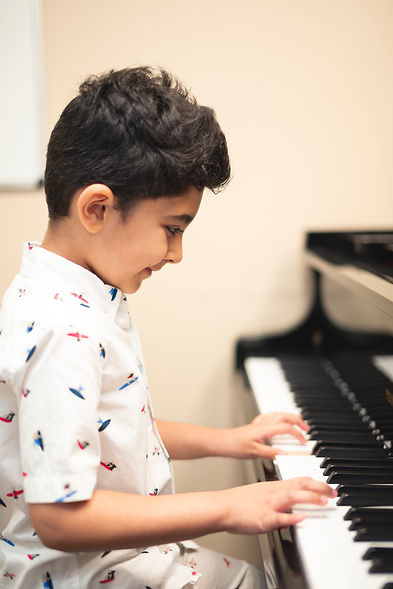
As Young as Ages 5-12
Piano Lessons for Kids
What to Expect for Kids Learning Piano
-
Age-appropriate lessons with playful activities
-
Positive reinforcement and confidence building
-
Focus on rhythm, note reading, listening skills, and movement
-
Option to prepare for RCM exams or just learn for fun
Learning Outcomes
-
Ability to read music and identify notes
-
Develop a regular practice routine
-
Improve focus, patience, and discipline
-
Build stage presence with optional recitals

Ages 13-18
Piano Lessons for Teens
What Teens Can Expect:
-
Personalized song selections—classical, pop, jazz, or contemporary
-
RCM exam prep and music theory available
-
Support for school music programs and auditions
Benefits for Teens:
-
Develop creative independence
-
Build self-confidence and discipline
-
Reduce stress and anxiety through music
-
Gain a lifelong skill with personal and academic value

Piano lessons for
Adults & Seniors
All Ages 19+
Approaching Adult Lessons Differently
-
Flexible scheduling (evenings, weekends, daytime slots)
-
Learn the music you love—pop, classical, jazz, film scores & more
-
No exams required (unless you want them!)
Benefits for Adult Students:
-
Relieve stress and boost mental wellness
-
Improve coordination, memory, and creativity
-
Build a fulfilling hobby at your own pace
-
No pressure—just personal progress and enjoyment
Learn Piano: What Will You Study?
Beginner
& Intermediate
-
Reading music notation and rhythm
-
Proper posture and hand position
-
Playing with both hands together
-
Scales, chords, and simple harmony
-
Using the pedal for expression
-
Learning beginner pieces in classical, pop, and jazz
-
Sight reading and basic ear training
-
Building confidence performing short pieces
Advanced
& Royal Conservatory
-
Mastering advanced repertoire (Chopin, Beethoven, Debussy)
-
Advanced technique through etudes, scales, and arpeggios
-
Refining tone, phrasing, and dynamics for interpretation
-
Complex chord progressions and accompaniment patterns
-
Improvisation and composition across genres
-
Preparing for competitions, exams, or professional performance
-
Collaborative piano (chamber music and accompaniment)
-
Expanding repertoire for solo recitals or advanced study
Learning piano is a lifelong journey. The skills above are only a starting point for beginner and intermediate students. As you continue, you will explore new styles, techniques, and creative directions that match your goals. Every student’s path is unique, and lessons give you the tools to keep growing, developing, and enjoying music for years to come.
"I’ve Always Wanted to Learn, But I Don’t Have a Piano"
This is one of the most common concerns we hear—and we’re here to tell you: you don’t need to own a piano to start learning.
At Long and McQuade, we have an excellent rental program to suit everyone's needs. You can choose from a variety of electronic pianos to rent on your journey to becoming a musician.
Understanding the Different Types of Pianos
If you’re thinking about getting your own instrument, here’s a quick breakdown of the main types of pianos and keyboards to help you make the right choice.

Upright Pianos

Grand Pianos

Digital Pianos
Upright pianos are traditional acoustic pianos with a rich, resonant tone. They require more space and regular tuning, but they offer a more organic playing experience.
Grand pianos are concert-style pianos known for their superior sound quality and professional touch. While they require significant space and investment, they are ideal for high-level players or performance spaces.
Digital pianos are a popular choice for students of all levels. They replicate the feel and sound of an acoustic piano while offering features like volume control, headphone jacks, and built-in rhythms or metronomes.
Key Differences & Qualities
-
Authentic acoustic sound
-
Dynamic expression and touch sensitivity
-
Elegant addition to any home
-
Unmatched tonal range and responsiveness
-
Prestige and performance quality
-
Ideal for professional study and recitals
-
Sampled acoustic sound
-
Provides an electronic range of expression and touch sensitivity, based on model selection
-
Elegant addition to any home
Which Piano is Best for Me?
Upright pianos are typically for Intermediate to advanced students who want a classic touch and feel.
Grand Pianos are ideal for advanced students, performers, and those looking for the highest quality tone and touch.
Digital pianos are great for intermediate to advanced students who want a classic touch and feel.
Getting Started With Piano Books
If you’re interested in learning piano, or if you’ve recently brought a keyboard or piano into your home and want to try things out before beginning lessons, these books are an excellent starting point. They introduce the fundamentals in a clear, approachable way and give you the foundation you need to begin your musical journey on the piano.
Recommendations for Beginner Students

Alfred Publishing
Alfred's Basic Adult All-in-One Course, Book 1 - Palmer/Manus/Lethco - Piano - Book

Alfred Publishing
Alfred's Basic Piano Library: Lesson Book Complete 1 (1A/1B) - Palmer/Manus/Lethco - Piano - Book

Kjos
Music
Bastien Piano Basics: Piano for the Young Beginner, Primer A - Bastien - Piano - Book

Faber Piano Adventures
Piano Adventures Lesson Book (2nd Edition), Primer Level - Faber/Faber - Piano - Book
Recommendations for Advanced Students

Hal
Leonard
40 of the Most Beautiful Songs Ever: Really Easy Piano - Book

Hal
Leonard
The Best Piano Solos Ever (3rd Edition) - Piano - Book

Frederick Harris Music Company
Celebration Series, Sixth Edition Level 8 Piano Repertoire - Book/Audio Online

Frederick Harris Music Company
Celebration Series, Sixth Edition Level 9 Piano Repertoire - Book/Audio Online
👉 If you’re considering starting lessons, it’s usually best to hold off on buying books until after your first class. Your teacher will help determine the best learning path for your goals and interests, ensuring you get the right materials from the start.
"How do I Pick the Right Piano Teacher?"
Choosing the right piano teacher is one of the most important steps in your musical journey. At Long & McQuade we believe that the best teacher is not only highly skilled but also a great match for your personality, goals, and learning style.
Whether you’re a parent looking for a patient and playful instructor for your child, a teen seeking someone who can teach pop and improvisation, or an adult learner wanting a supportive, no-pressure environment—we’ll help you find the right fit.
Your Goals
Are you learning for fun, preparing for RCM exams, or returning to piano after years away? We’ll match you with a teacher who specializes in the style and structure you’re looking for.
Teaching Style
Some students thrive with high-energy, enthusiastic instructors; others prefer a calm and methodical approach. We get to know what kind of teaching motivates you.
Experience Level
All of our teachers are carefully vetted and bring experience from performance, education, or both. Some specialize in beginners, while others have advanced backgrounds in classical, jazz, or contemporary music.
Age Fit
We have piano teachers who specialize in working with young children, teens, adults, and seniors. We’ll recommend someone who understands how to teach effectively at your stage of life.
"How Can I be Successful in My Piano Lessons?"
It’s not talent. It’s consistency.
Whether you’re 4 or 45, the students who make the most progress in their piano journey are the ones who practice regularly—even if it’s just for a few minutes a day.
Consistency
Aim for short, focused practice sessions each day—especially for young kids. Even 5–15 minutes a day can lead to big results when done consistently.
Create a Dedicated Practice Space
Keep your piano or keyboard in a quiet, well-lit space where you feel comfortable. Make it easy to sit down and start playing.
Make Practice Part of a Routine
Practice after breakfast, before homework, or after dinner—whenever it feels easiest to build a habit. Consistency is easier when it’s tied to your daily schedule.
Focus on Quality Over Quantity
A focused 10 minutes is better than a distracted 30. Break practice into small goals: play a warm-up, review one section of your piece, then try something new.
"Should I take any Exams or Tests?"
It really depends on your goals, and how you learn best.
Piano exams are always optional for students. For those who like having structured goals and recognition for their progress, exams are an excellent choice. In Canada, the main exam boards for piano include the Royal Conservatory of Music (RCM), ABRSM, and Trinity College London.
Most Popular Exam Options in Canada

RCM (Royal Conservatory of Music)
The RCM piano program guides students through a well-organized series of levels, starting with the Preparatory stages and moving up through Levels 1 to 10, followed by Associate and Licentiate diplomas. Each stage builds skills in technique, sight-reading, ear training, and musicianship while introducing age-appropriate repertoire. Exams are designed to mark clear milestones, giving students certificates that track their progress from beginner through advanced performance.

ABRSM (Associated Board of the Royal Schools of Music)
The ABRSM piano program uses an internationally recognized grade system, starting at Initial Grade and moving up through Grades 1 to 8, with options to continue into diploma-level study. Each grade develops a balance of technical exercises, repertoire, sight-reading, and aural skills. The structured approach helps students see clear goals at every stage, and successful exams award certificates that are valued worldwide.

Trinity College London
Trinity piano exams give students a flexible way to grow. Starting at Initial Grade and moving through Grade 8, students choose from a wide range of music, including classical, jazz, and modern styles. This makes the program a good fit for kids who want more choice in what they play. Higher levels also offer diplomas for serious study, and every certificate is internationally respected.
Why Take Exams?
🎹 Piano exams give students clear goals to work toward, helping them stay motivated and measure their progress at the keyboard. Each level completed brings a real sense of achievement, along with credentials that are often recognized by schools and future music opportunities.
👉 Not every piano student chooses exams. Some prefer to learn pieces for fun, explore different styles, or focus on performance. But for those who enjoy having milestones, piano exams provide structure, confidence, and a way to celebrate each step forward.
Choosing the Right Program at Long & McQuade

Private Piano Lessons
One to One
• Weekly 30, or 60-minute lessons
• Personalized learning plans
• Flexible scheduling
• Suitable for ages 5 to adult

Group Piano Lessons
Four to Eight Students per class
• Small class sizes (ages 5–9)
• Keyboard-based learning through fun games and songs
• Building early music foundations
%20(2_5%20x%204%20in).png)
Online Piano Lessons
One to One
• Weekly 30, 45, or 60-minute lessons
• Personalized learning plans
• Flexible scheduling
• Suitable for ages 5 to adult